Selling a coastal home in Dana Point means appealing to buyers who lead with lifestyle. They imagine morning walks by the harbor, sunset patios, and a home that feels effortless from day one. If you align your property with what these buyers prioritize, you shorten time on market and support stronger offers. This guide shows you what matters most, plus practical tweaks to showcase your home with confidence. Let’s dive in.
Top buyer priorities in Dana Point
Ocean proximity and views
Being close to the water is a powerful driver. Buyers respond to easy access to Dana Point Harbor and Doheny State Beach, along with framed ocean views and visible activity like boats and sunsets. Point to nearby amenities and any neighborhood improvements to show long-term appeal. Highlight the lifestyle by noting distance and routes, and consider including a few orientation photos that show how the home relates to the water. You can reference harbor updates in your listing remarks using the public updates shared on the Dana Point Harbor site, and anchor beach access with a nod to Doheny State Beach’s day-use area.
Outdoor living that works year-round
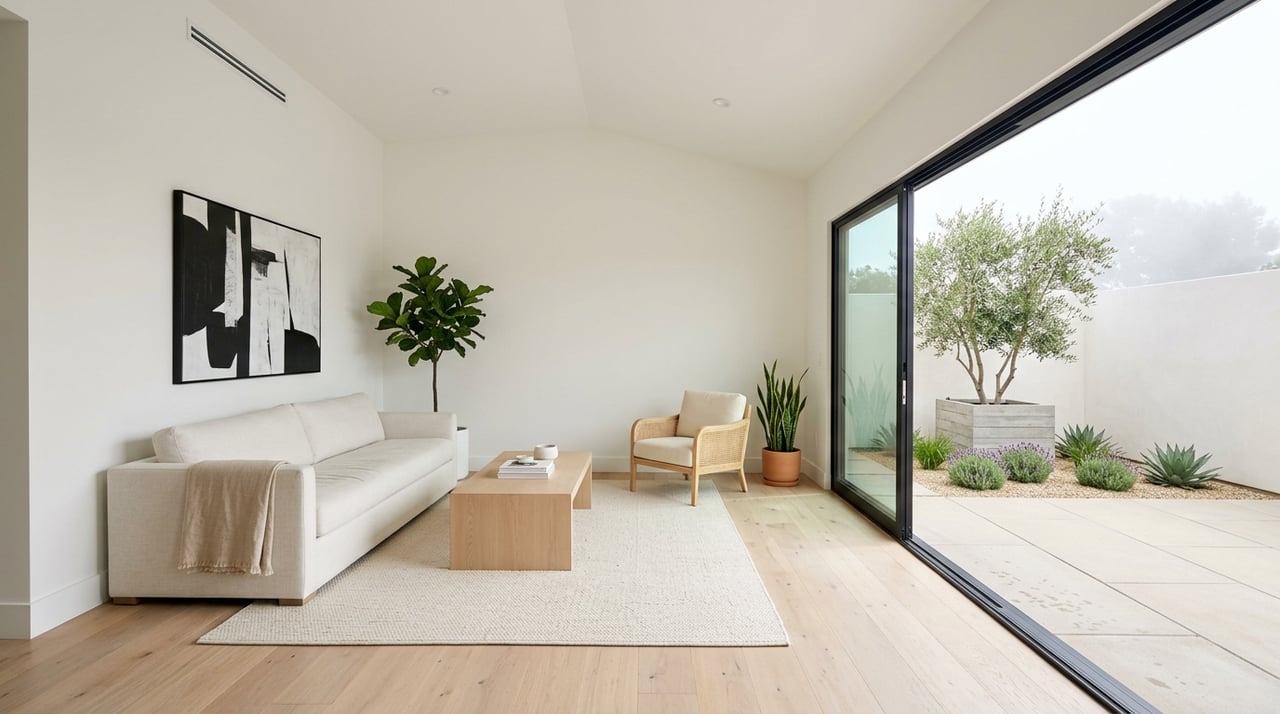
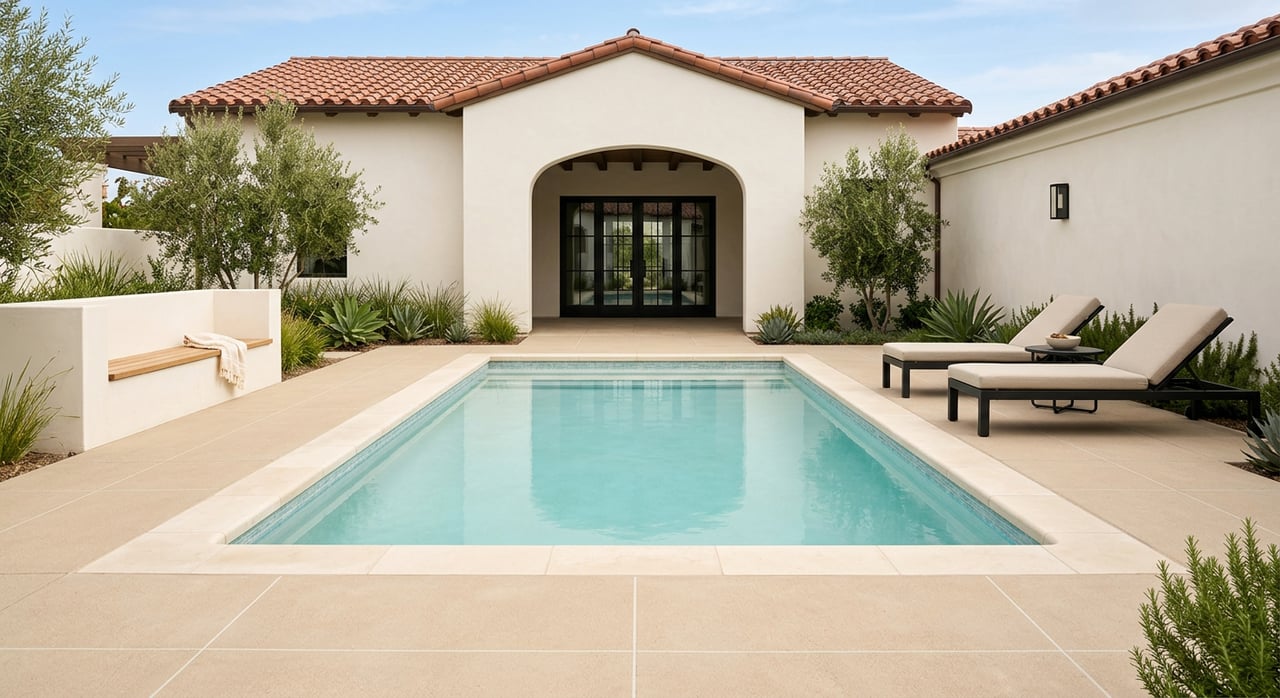
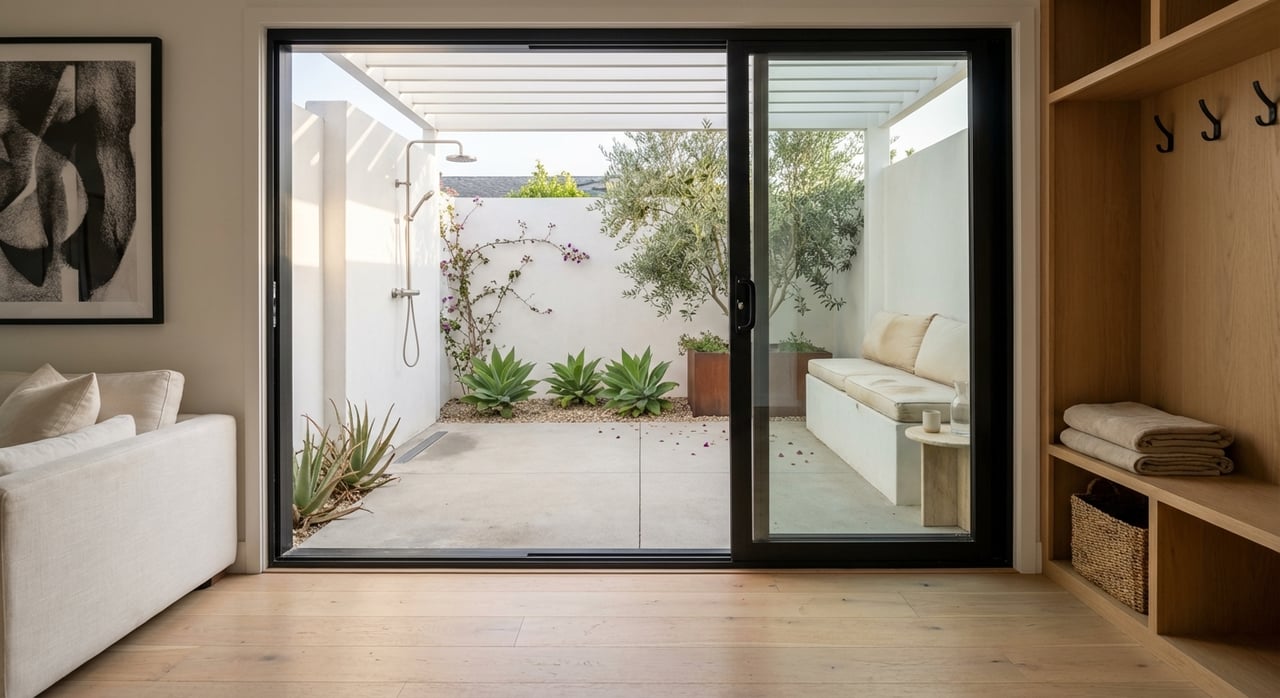
Outdoor rooms are not a bonus in coastal Orange County. They are expected. Buyers look for covered patios, terraces, fire features, and privacy landscaping that extend daily living outside. Stage your patio for small-group entertaining and show it at dusk so the lighting and views read well in photos. Guidance on staging and marketing supports strong engagement for outdoor-forward listings, and resources like HomeLight’s marketing tips reinforce the impact of usable outdoor space on buyer interest.
Updated kitchens and baths
Move-in readiness ranks high for today’s buyers. Clean lines, neutral palettes, modern fixtures, and functioning appliances help them imagine life without a long punch list. If a full remodel is not in scope, target easy wins: paint or refinish cabinets, swap hardware, update faucets and lighting, and refresh grout. The latest NAR buyer insights emphasize move-in-ready preferences, especially in kitchens and baths.
Gear storage and rinse areas
A coastal lifestyle comes with boards, wetsuits, bikes, and beach gear. Buyers love seeing where it all fits. Stage the garage with wall-mounted surf racks, labeled bins, and epoxy floors. If you have an outdoor shower or hose bib, photograph a simple “gear drop” zone. Practical storage signals everyday ease and shows the home is tuned for beach living. For inspiration, see the functional storage features buyers respond to in this overview of in-demand home features.
Flexible rooms and office space
Hybrid and remote work remain part of the equation, so buyers want a quiet, bright place to focus. If you have a den, loft, or secondary bedroom with good light, stage it as an office with a clean desk and task lamp. Mention wiring or internet options in the listing, and call out any convertible areas that could double as a study or media space. The NAR profile above also underscores the continued interest in flexible rooms.
Durable coastal materials
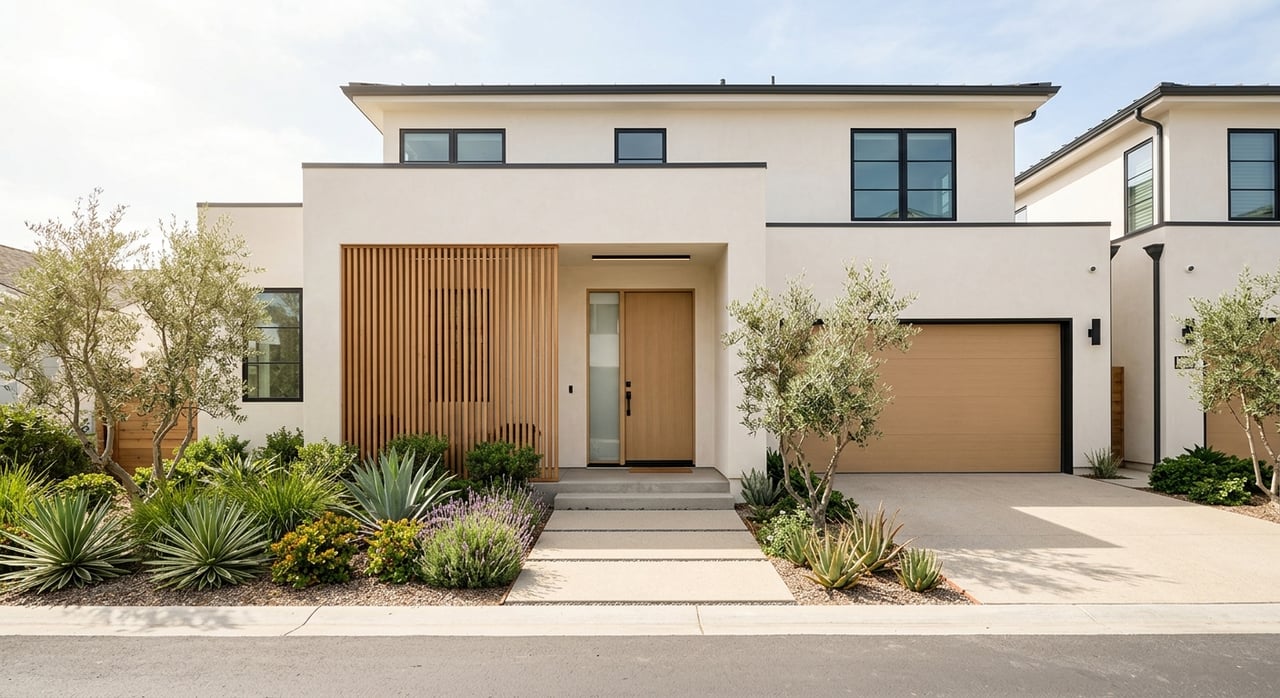
Salt air is beautiful, but it is tough on materials. Buyers look for features that minimize upkeep, like composite decking, powder-coated railings, fiber-cement siding, and marine-grade or 316 stainless hardware in exposed locations. If you have recent roof, window, or HVAC updates, document them with dates and warranties to reduce negotiation points. For context on salt-related wear and ways to mitigate it, review this summary of coastal maintenance considerations and corrosion-resistant choices in this coastal care overview.
Parking, garage, and harbor realities
Parking security and storage are top of mind, especially near the harbor and beaches. Be clear about garage capacity, EV charging, and any HOA rules that affect parking. Boat owners often ask about slip availability or nearby leasing. If your location benefits from proximity to harbor amenities or planned public-realm upgrades, tie that into your description and show how daily life connects to the harbor’s activity and improvements.
Local lifestyle anchors and micro-locations
Harbor-adjacent living
Homes near Dana Point Harbor tend to see strong demand from buyers who value marina access, dining, and walkable waterfront paths. If your property sits within an easy stroll, quantify the distance and add a simple route map or photo sequence to help buyers picture the routine.
Doheny and beach routes
Doheny State Beach offers surf, sand, and family-friendly day use. If your listing enjoys a flat walk or protected crossing, show it. A quick mention of the nearest access point, plus a reference to Doheny’s park amenities, helps buyers imagine weekends and time with visitors.
Monarch Beach details
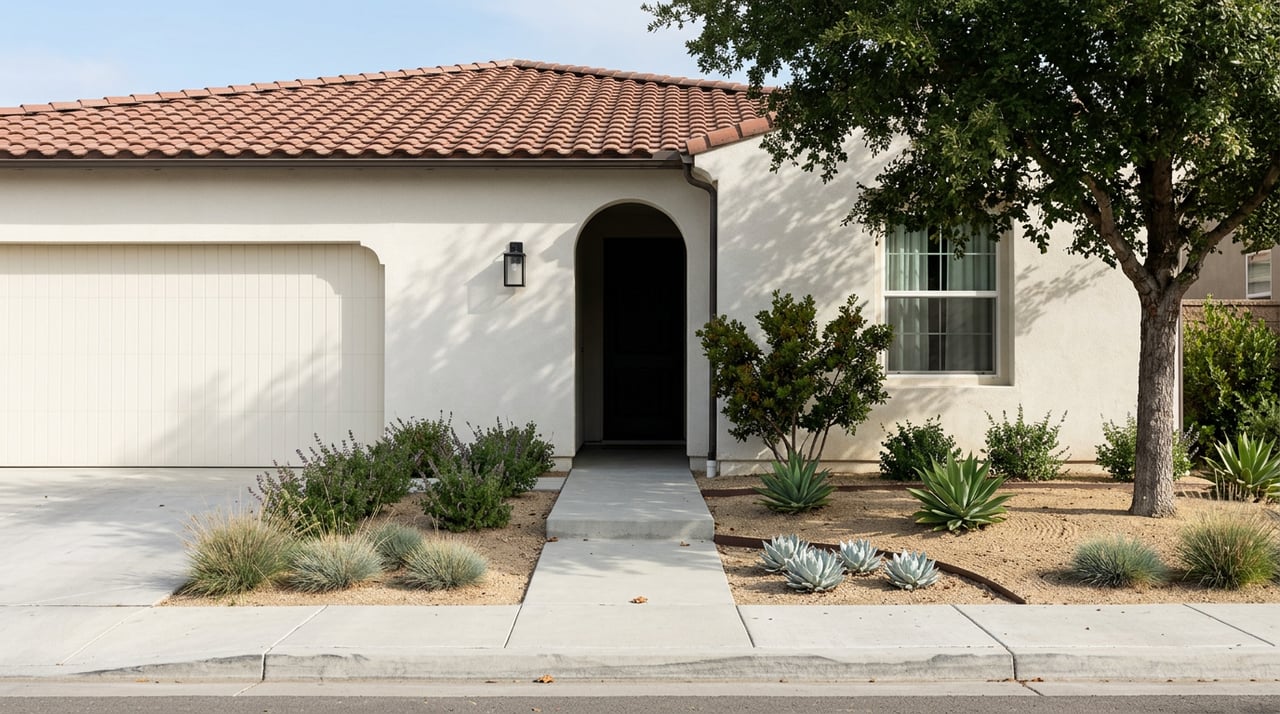
Buyers in this area often expect high-quality finishes and efficient maintenance. Emphasize durable exterior materials, clean hardscape, and any HOA-managed landscaping. Clear, crisp photos of patios and indoor–outdoor flow speak to the lifestyle that drives premium interest.
Lantern District convenience
If your home sits near shops and restaurants, call out the nightlife and easy errands. Focus on the practical details buyers ask about: parking, storage, outdoor seating, and how the floor plan supports both hosting and quiet downtime.
Coastal risks and required disclosures
California disclosures you must provide
Buyers will expect a complete file. In California, sellers typically provide the Natural Hazard Disclosure Statement and the Transfer Disclosure Statement when applicable. These disclosures cover mapped natural hazards like flood and seismic risk, and failing to deliver them can create liability. Review the statutory framework and plan to include a current NHD report in your package, using the guidance outlined in the Civil Code summary on Justia’s reference page.
Flood maps and insurance basics
Lenders rely on FEMA flood maps to determine whether flood insurance is required. Risk can extend beyond the strict lines on the map, and buyers often ask about 30-year exposure and elevation certificates. Include a parcel check from the FEMA Flood Map Service Center in your buyer packet, and add ages of the roof and HVAC to support insurance conversations.
Sea-level planning and harbor adaptation
Dana Point Harbor and public-trust assets have gone through sea-level vulnerability reviews as part of California’s AB 691 planning. If your home is near the waterfront, be ready to summarize any publicly available assessments or planned projects that could influence access or amenities over time. You can point interested buyers to the state’s project listing for harbor resilience planning.
Coastal development limits and bluff setbacks
If your property is near bluffs, wetlands, or other sensitive areas, expect questions about expansions, hardscape changes, or retaining structures. Direct buyers to the city or county planning department for parcel-specific guidance, and include any known permit histories or engineering documents in your file to build confidence.
Insurability and system records
Coastal homes sometimes face higher premiums or stricter underwriting. Buyers and lenders may ask for system ages, roof condition, prior claims, and any flood elevation certificates. Pre-ordering inspections and organizing maintenance receipts helps remove uncertainty and supports a smoother escrow.
Pre-listing checklist for sellers
High-impact quick wins
- Refresh with neutral paint, declutter, and depersonalize to help buyers focus on space and light, a priority highlighted in the NAR buyer profile.
- Stage the living room, kitchen, and primary suite. Professional staging and clean styling consistently support higher perceived value.
- Photograph outdoor living at its best. Twilight and lifestyle-forward visuals meaningfully increase engagement, as supported by key real estate photography stats.
- Show a tidy gear drop and garage storage. Include racks for boards, hooks for wetsuits, and labeled bins, echoing the practical features buyers respond to in this storage feature roundup.
Mid-cost projects with payoff
- Execute a kitchen refresh rather than a full gut: repaint or refinish cabinetry, update hardware, modernize the faucet, and style the counters. Document dates and warranties aligned with the NAR move-in-ready insights.
- Repair or replace weathered deck boards, or upgrade to composite where appropriate. Clean glass panels and rust-prone hardware. Coastal buyers value proof of reduced upkeep, as noted in this coastal maintenance overview.
- Service HVAC and exterior condensers, and keep receipts handy. Neat, recent records reduce buyer friction and help with insurance.
Presentation and listing materials
- Include a floor plan, a clear note on view lines, and site-orientation photos that show how the home sits relative to harbor, beach, or bluffs. Tie lifestyle context to harbor activity and nearby beach routes.
- Use drone and approach shots to show walking paths and access quality to Doheny, Baby Beach, or the harbor promenade. This adds clarity beyond a simple distance note, and you can reference Doheny’s park overview for context.
- Prepare a buyer packet with your Natural Hazard Disclosure Statement, a FEMA parcel check, inspection reports, system maintenance receipts, and HOA documents if applicable. The NHD requirement is summarized on Justia’s code reference.
Make your listing stand out
Small, imageable upgrades help buyers feel the lifestyle right away. Think bistro seating set on the terrace, soft outdoor lighting, and doors propped open to highlight flow. In the garage, let a few curated boards and bikes telegraph the coastal routine. In your copy, quantify proximity and call out durable materials so buyers connect the dots between beauty and low maintenance.
Ready to position your Dana Point home for today’s coastal buyers and capture the lifestyle premium? Schedule your free neighborhood strategy call with Brandon Halperin to build a tailored plan and go to market with confidence.
FAQs
What do Dana Point buyers value most in coastal homes?
- Proximity to the harbor and beaches, year-round outdoor living, updated kitchens and baths, flexible office-ready rooms, practical gear storage, durable coastal materials, and clear parking or HOA details.
How close to Dana Point Harbor or Doheny should I be for it to matter?
- Any walkable or short, convenient route helps. Show the actual path and time to the harbor or Doheny State Beach with photos so buyers can picture daily life and weekend routines.
What disclosures are required when selling a coastal home in California?
- Provide the Natural Hazard Disclosure Statement and the Transfer Disclosure Statement when applicable; see the state code summary on Justia’s reference page.
How do buyers check flood risk for a Dana Point property?
- Lenders and buyers consult the FEMA Flood Map Service Center; include a parcel check, any elevation certificate, and roof/HVAC ages in your buyer packet.
Which outdoor upgrades appeal most to Dana Point buyers?
- Covered seating, fire features, privacy landscaping, and clean, staged terraces. Guidance like HomeLight’s marketing tips supports the value of usable outdoor rooms.
What maintenance questions do coastal buyers typically ask?
- They ask about corrosion, exterior finishes, and system ages. Be ready with receipts and note any coastal-grade materials, using insights like those in this coastal maintenance overview.